Does Medicare Pay for Assisted Living? What’s Covered and What Isn’t
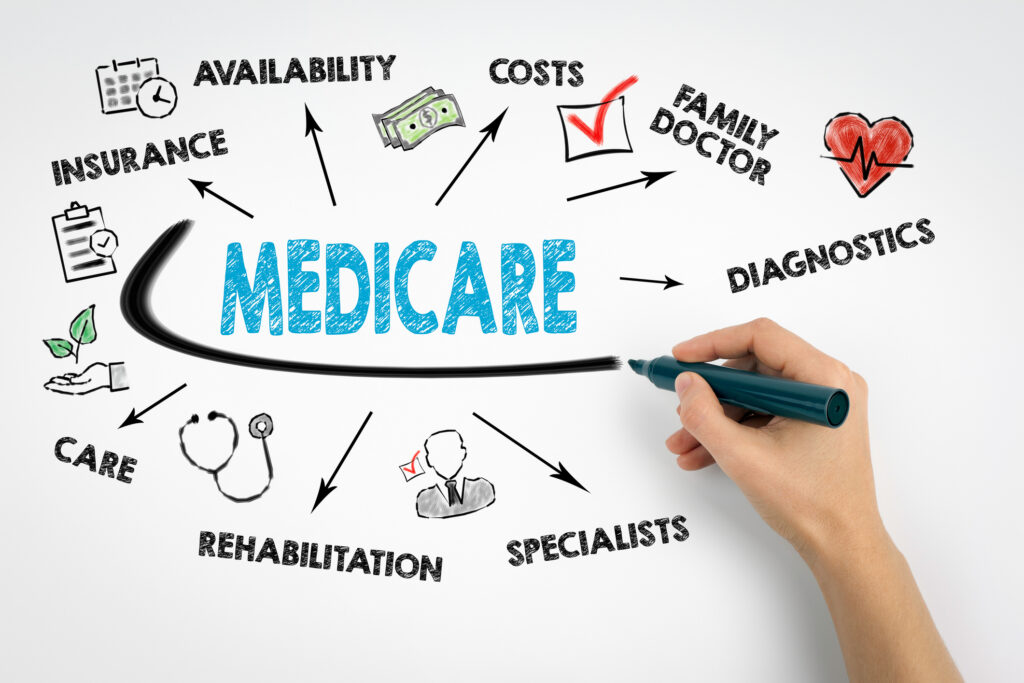
Does Medicare pay for assisted living? Learn what Medicare covers, what it doesn’t, and how to plan for assisted living costs with confidence.

Does Medicare pay for assisted living? Learn what Medicare covers, what it doesn’t, and how to plan for assisted living costs with confidence.

Healthy aging starts with simple daily habits. Discover how healthy eating, regular movement, meaningful social connections, and preventive healthcare can help older adults stay active, independent, and engaged in the activities they love.

Not sure which senior living option is right for your loved one? Learn the key differences between independent living, assisted living, and memory care to find the best fit for safety, support, and lifestyle needs.

Moving into a senior living community is an emotional transition that often brings a mix of grief, uncertainty, and hope for both residents and their families. With time, social connection, and support, many residents begin to regain a sense of purpose, independence, and belonging.

Caregiver burnout goes beyond simple tiredness – it represents a state of physical, mental, and emotional exhaustion. It’s important to recognize the red flags of caregiver burnout and what you can do about it.

Moving into a new place later in life can bring a lot of feelings. With time, familiar routines, and kind connections, those first days can slowly turn into comfort, ease, and belonging.

Many senior living communities have a quiet superpower: they make social connections feel natural and easy by weaving them into everyday life.

Memory care in a senior living community provides a unique blend of safety, clinical expertise, and social engagement that traditional home care often cannot match.

Senior living communities promote health and longevity in safe, accessible living spaces through social connection, access to on-site health services, nutritious meals, daily physical activity, cognitive engagement and purposeful living.